There are few places in the world where a president of the United States, a pope, a crown prince and the greatest footballer of his generation behave exactly like any other pilgrim. The Western Wall is one of them. You arrive surrounded by bodyguards and cameras; you leave after a moment that everyone describes the same way: a few minutes of silence, a hand resting on the stone, and often a small folded note, slipped into a crevice of the Wall.
Here are some of the visits that have marked the Kotel's recent history — and what they say about the power of this gesture.
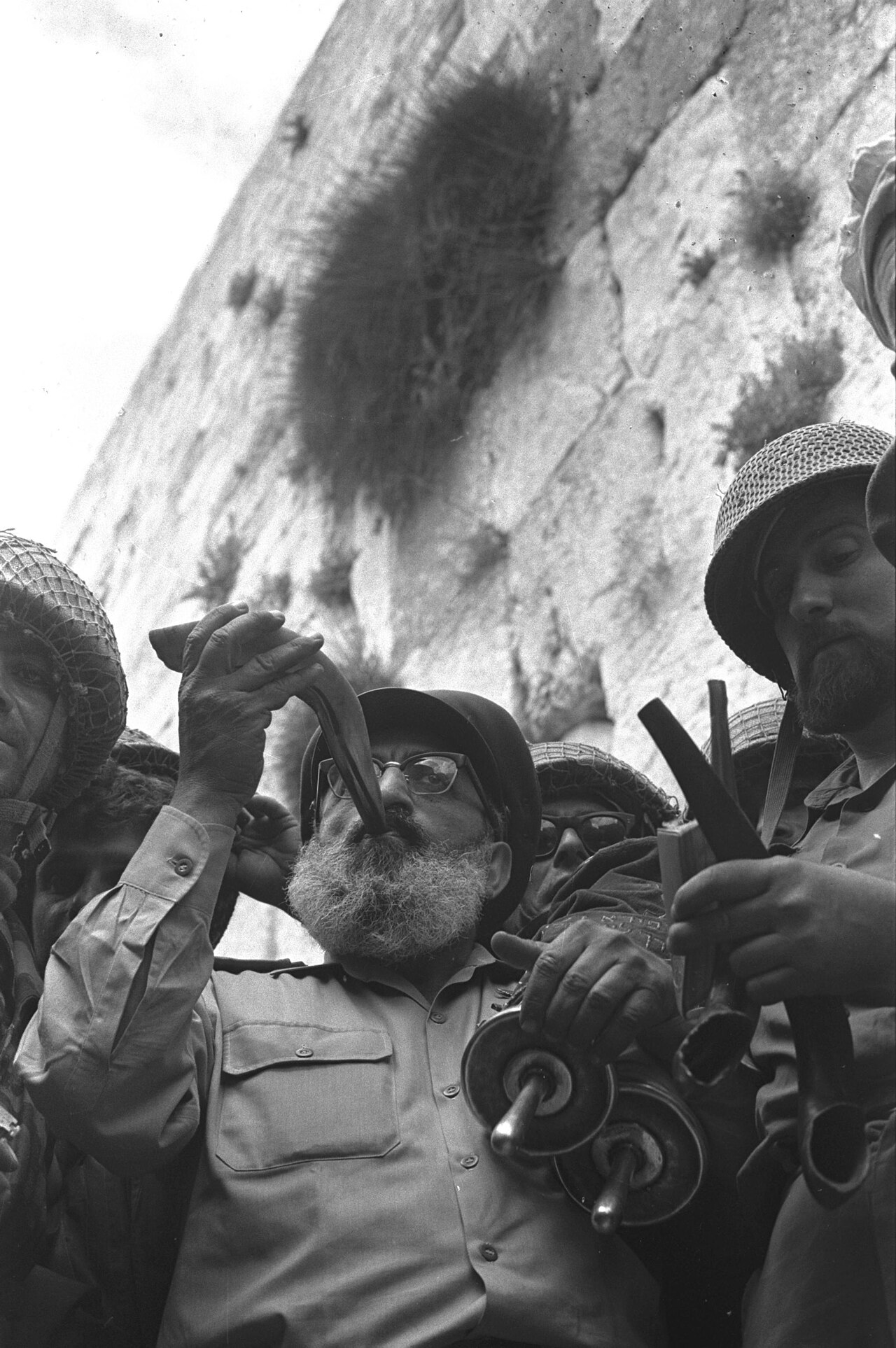
John Paul II: the note kept at Yad Vashem
On 26 March 2000, at the close of his pilgrimage to the Holy Land, Pope John Paul II walked alone towards the Wall. There he placed, as tradition dictates, a note — a prayer asking forgiveness for the suffering inflicted on the Jewish people throughout history. The image travelled the world. The note itself did not stay between the stones: it is kept today at the Yad Vashem memorial, as a historical document in its own right. A simple piece of paper, turned museum piece.
Fourteen years later, in May 2014, Pope Francis repeated the gesture and slipped in a note of his own: the Lord's Prayer, in his own hand, in Spanish — his mother tongue. Between the two, Benedict XVI had also prayed at the Kotel in May 2009. Three popes, three notes.
Barack Obama: the note that should never have been read
July 2008. In the middle of the presidential campaign, Senator Barack Obama came to the Wall at dawn, kippah on his head, and slipped in a handwritten prayer on his hotel's letterhead. What followed caused a scandal: the note was removed from the Wall and published by an Israeli newspaper. It contained an intimate prayer — “Lord, protect my family and me. Forgive me my sins and help me guard against pride and despair”… The Rabbi of the Wall firmly condemned the publication: notes placed in the Kotel are sacred, and concern no one but the person who wrote them.
This story says something essential: what you entrust to the Wall belongs to the deepest privacy. That is precisely why, at BaKotel, your prayer is encrypted end to end— printed sealed, never read by anyone, not even by the student who places it.
Donald Trump: the first visit by a sitting president
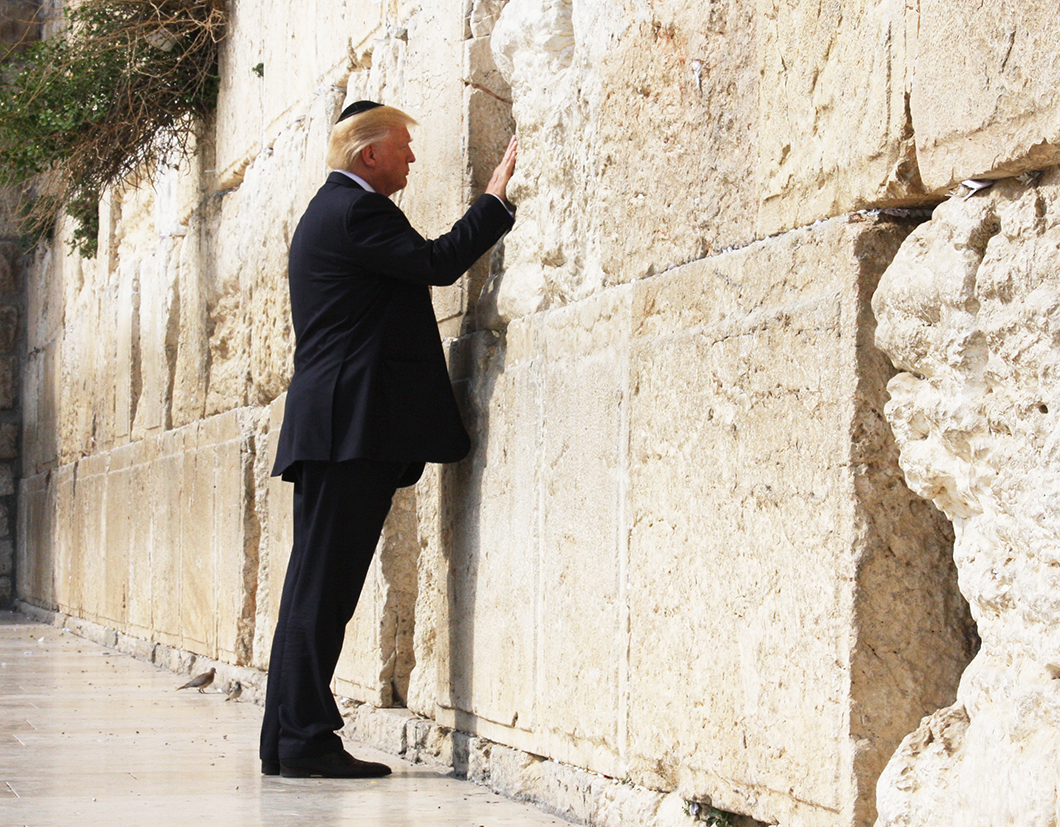
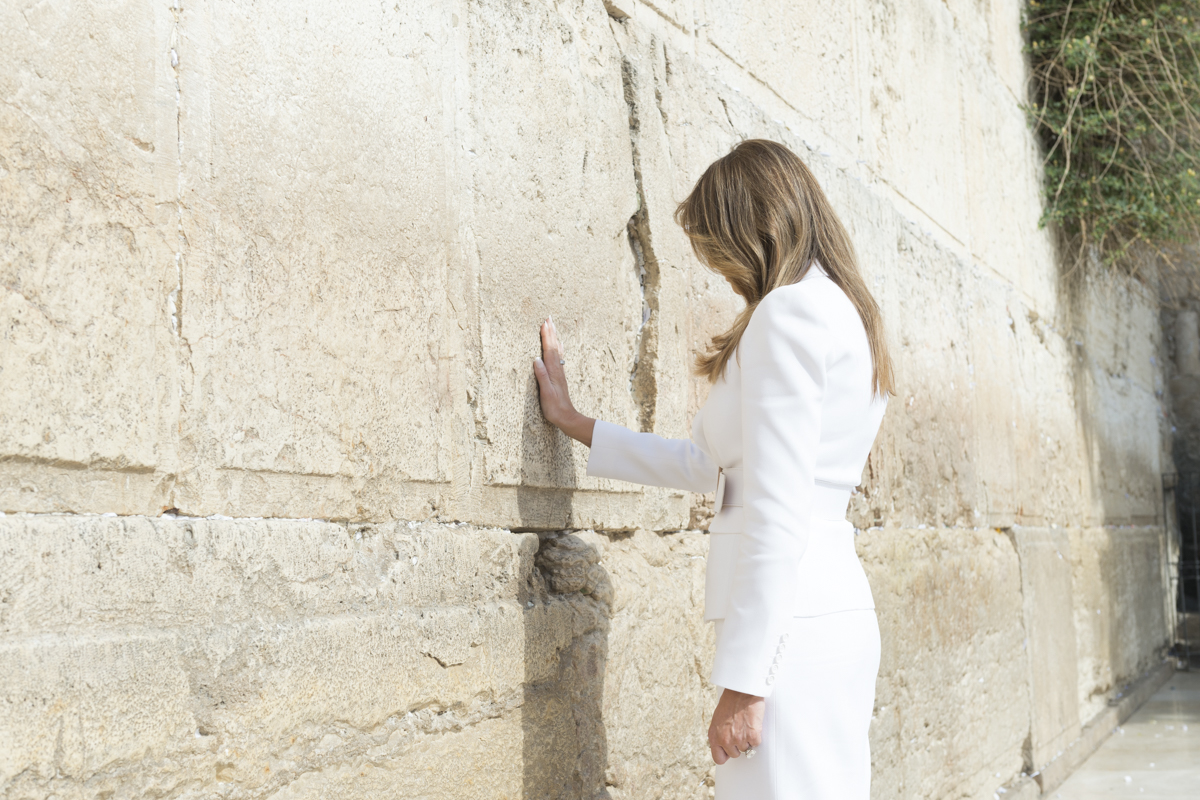
No sitting American president had ever visited the Kotel. On 22 May 2017, Donald Trump crossed that historic threshold: palm flat against the stone, a long stillness, then a note slipped into a crevice. Melania Trump prayed on the women's side. The official White House photographs captured the scene.
Prince William, Vladimir Putin and heads of state from around the world
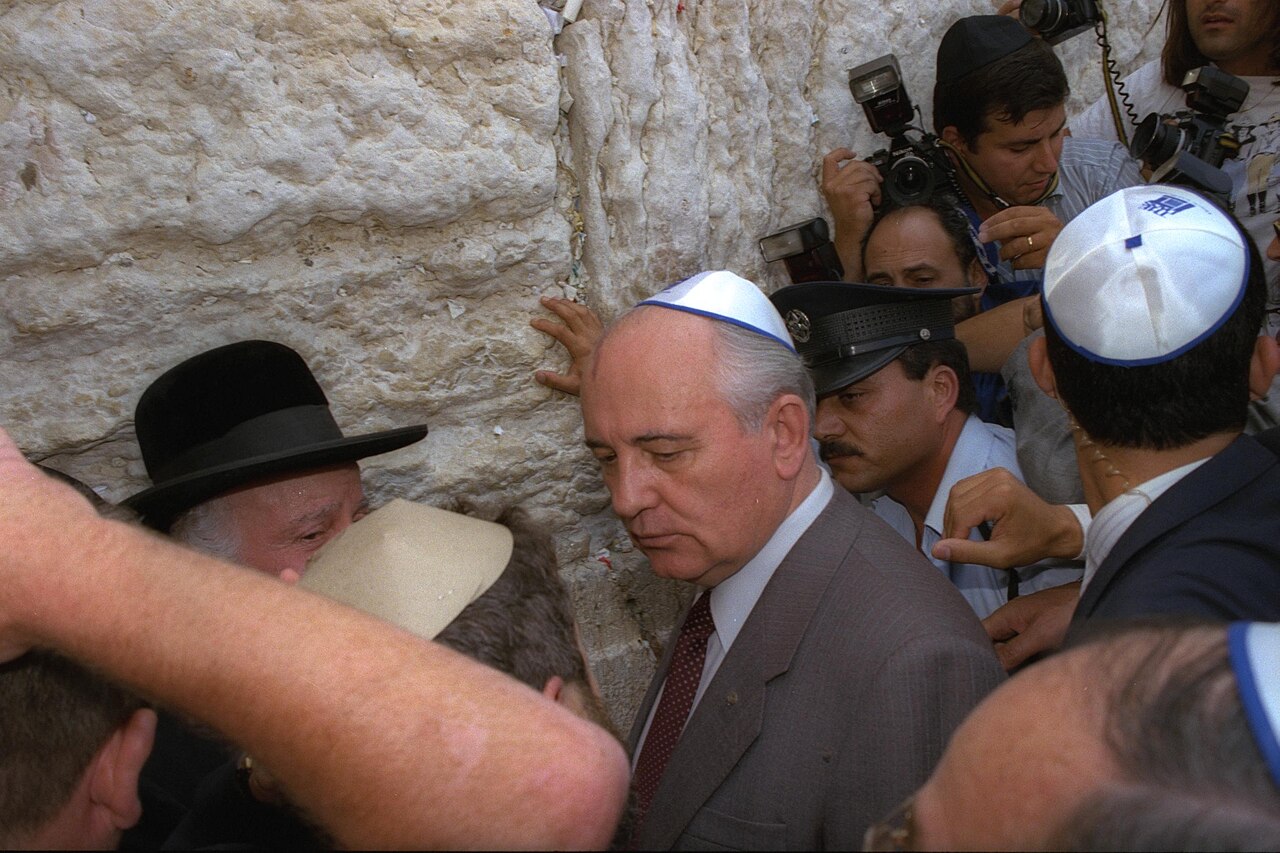
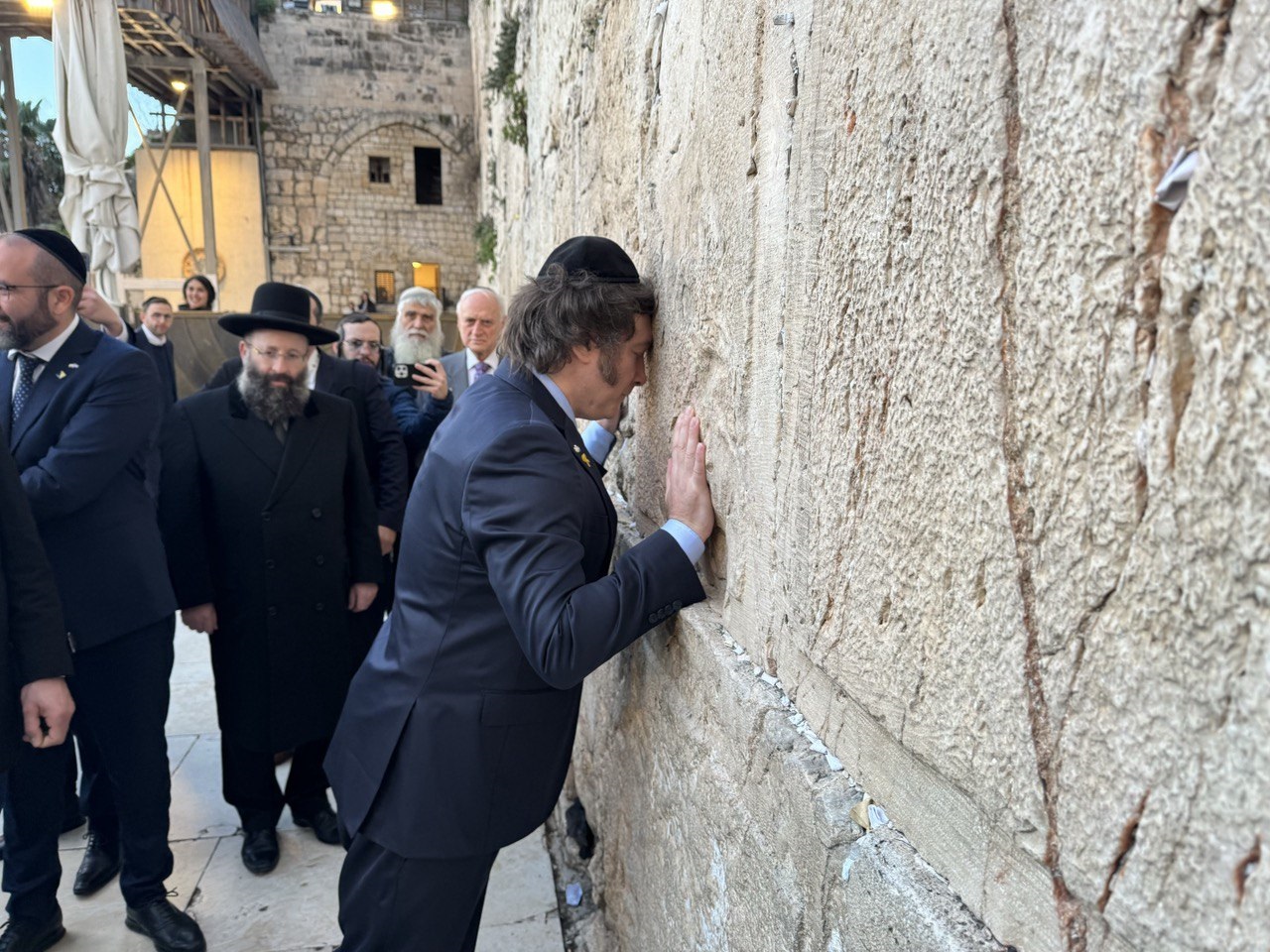
In June 2018, Prince William made the first ever official visit to Israel by a member of the British royal family. At the Wall, kippah on his head, he prayed at length and then slipped in — like everyone else — his note. In June 2012, Vladimir Putin surprised everyone by coming to the Kotel at night, standing motionless before the stone for long minutes. Emmanuel Macron prayed there in January 2020, on the margins of the World Holocaust Forum. Before them, Mikhail Gorbachev had prayed at the Kotel in June 1992, three years after the fall of the Berlin Wall; more recently, in February 2024, Argentine president Javier Milei came with a kippah on his head, visibly moved. The Wall's guest list reads like a global diplomatic directory — and they all leave with the same image: a place that puts everyone on equal footing.
Messi, Barça, Madonna: when the stars make the same gesture
In August 2013, Lionel Messi and the entire FC Barcelona squad came to the Kotel during their Middle East “peace tour”. Images of the players lined up before the Wall went round the social networks. Madonna, long drawn to the study of Kabbalah, has prayed there several times during her visits to Israel. Singers, actors, champions: year after year, the Wall receives their notes exactly as it receives all the others — without distinction.
You do not need a presidential plane
What is striking about all these stories is what they share: before the Wall, protocol and privilege fall away. A pope's note and an anonymous note rest in the same crevices, between the same two-thousand-year-old stones.
If Jerusalem is far from where you live, your prayer can still make the journey. A Torah student in Jerusalem places it in the Wall in your name, with a photo or video as proof — from 18 €. And for the great occasions, our exceptional programs (40 days of daily placement, a complete reading of the Tehillim, a minyan at the Kotel) give your gesture the scale of the ones you have just read about.